
CDPS AI Scaling & Data Residency
The Chief Data and Policy Strategy (CDPS) branch architecture
for analyzing 10,000+ public consultation entries while adhering to Protected B data sovereignty.

1. High-Volume Batch Processing
N8n workflows configured with internal looping and queue management to digest thousands of records over time without hitting API timeouts.
2. "Sliding Window" Context Management
A Python-based chunking_utility.py securely structures long PDF/Word documents
into overlapping RAG-optimized pieces while perfectly preserving root ECCC metadata (consultation ID, entry
ID).
3. Automated Metadata Validator
An integrated pre-processor (metadata_validator.py) verifies incoming data
against standard ECCC Controlled Vocabularies (e.g., verified Regions and Themes) before
executing expensive GenAI operations.
4. Bilingual Parity Auditor
-
Mandatory Translation Parity:
Triggers parallel analysis for French and English sources using Azure OpenAI endpoints based strictly in Canada East.
-
Mathematical Drift Detection:
Analyzes sentiment outputs from both streams, calculating divergence. If the 'linguistic drift' exceeds the tolerance threshold, it flags the entry for human CDPS review via a Teams bot webhook.
📄 Read the full technical blueprint: CDPS-Scaling.md
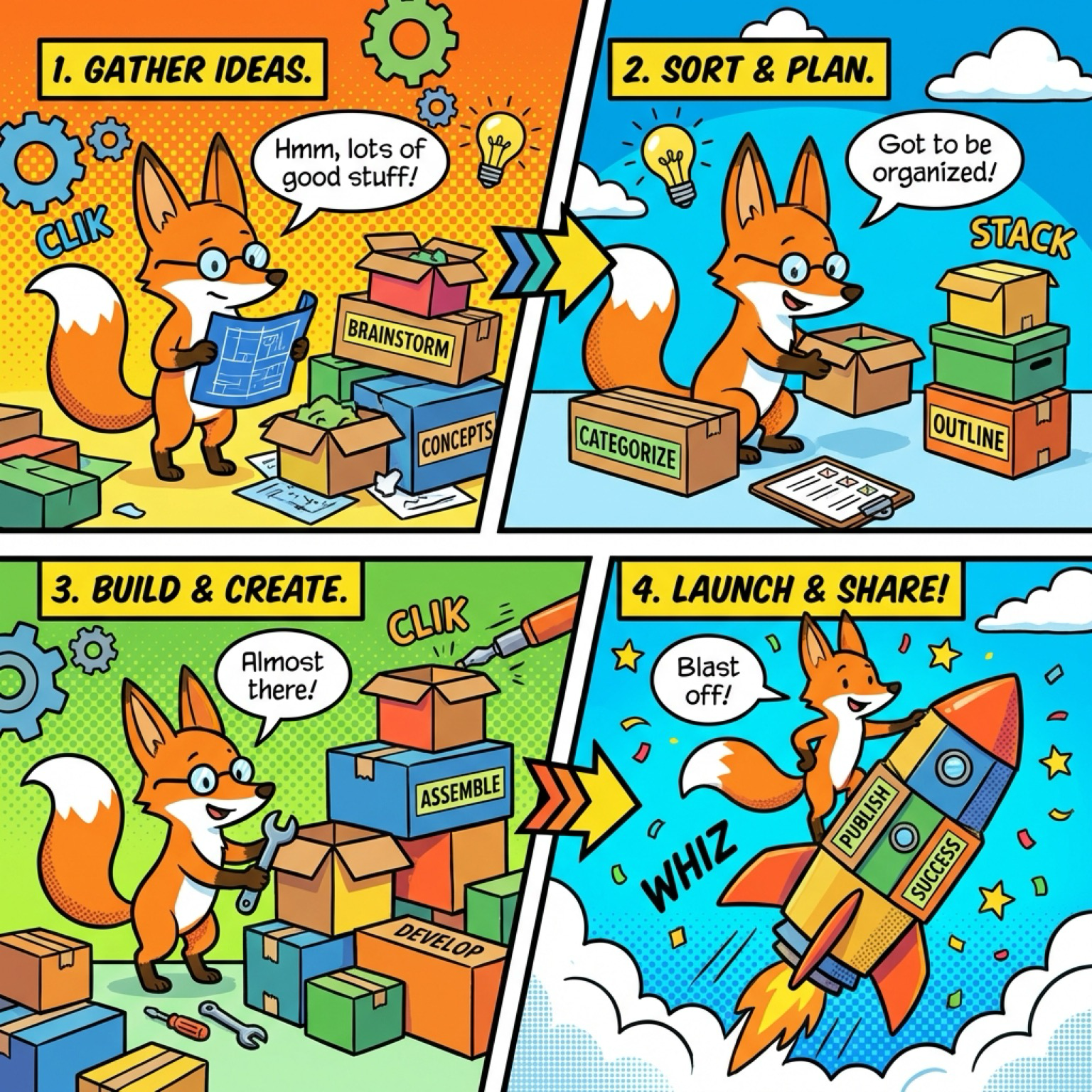
Step-by-step process (proposed)
-
Author scenarios
Write each decision point as a node with:
id,prompt,choices[], and optionaleffects(score, flags, inventory, time, detection risk). -
Compile to a normalized graph
Convert markdown / JSON / YAML into a single canonical graph model (nodes + edges + metadata).
-
Validate
Fail fast on broken content: missing node ids, dead links, unreachable endings, cycles (if disallowed), and invalid effects.
-
Instrument & balance
Compute helpful analytics: path lengths, expected risk, “dominant choice” detection, and story coverage.
-
Render a playable experience
Use the normalized graph to drive a UI: show prompt, show choices, apply effects, track state, and record a run log.
-
Export outcomes
Output the run transcript (JSON + human summary) for learning, audits, or classroom review.
Minimal node format
{
  "id": "start",
  "prompt": "You receive an email claiming to be from IT...",
  "choices": [
    {"label": "Click the link", "to": "phished", "effects": {"risk": "+=20"}},
    {"label": "Report to security", "to": "good_call", "effects": {"risk": "-=5", "badge": "reporter"}}
  ]
}
Pipeline sketch
[C . author . . . compile . . . validate . . . run . . .
export ] 0%
Step-by-step process (proposed)
-
Author scenarios
Write each decision point as a node with:
id,prompt,choices[], and optionaleffects(score, flags, inventory, time, detection risk). -
Compile to a normalized graph
Convert markdown / JSON / YAML into a single canonical graph model (nodes + edges + metadata).
-
Validate
Fail fast on broken content: missing node ids, dead links, unreachable endings, cycles (if disallowed), and invalid effects.
-
Instrument & balance
Compute helpful analytics: path lengths, expected risk, “dominant choice” detection, and story coverage.
-
Render a playable experience
Use the normalized graph to drive a UI: show prompt, show choices, apply effects, track state, and record a run log.
-
Export outcomes
Output the run transcript (JSON + human summary) for learning, audits, or classroom review.
Minimal node format
{
  "id": "start",
  "prompt": "You receive an email claiming to be from IT...",
  "choices": [
    {"label": "Click the link", "to": "phished", "effects": {"risk": "+=20"}},
    {"label": "Report to security", "to": "good_call", "effects": {"risk": "-=5", "badge": "reporter"}}
  ]
}
Pipeline sketch
[C . author . . . compile . . . validate . . . run . . .
export ] 0%
Design goals (philosophy lab vibes)

✂️
Citizens survive by default: the world is coherent and self-consistent.
Player interventions create tradeoffs (security vs speed, stealth vs
certainty, etc.).
Bad endings are teachable and explain why (not just “you lose”).
n8n Gamification Engine
The current site is a Minimum Viable Product.
The n8n process will
augment this by bridging Enterprise Content Management with Generative AI and Gamification.
View
Architecture Proposal
Suggested next files

If this repo stays tiny, these are the pieces that make it feel “real” fast.
scenarios/— sample adventures (phishing, USB drop, password reset, insider risk).schema.json— JSON Schema for node/graph validation.compiler.js— parse → normalize graph.validator.js— structural + semantic checks.runner.js— applies effects, records transcript.
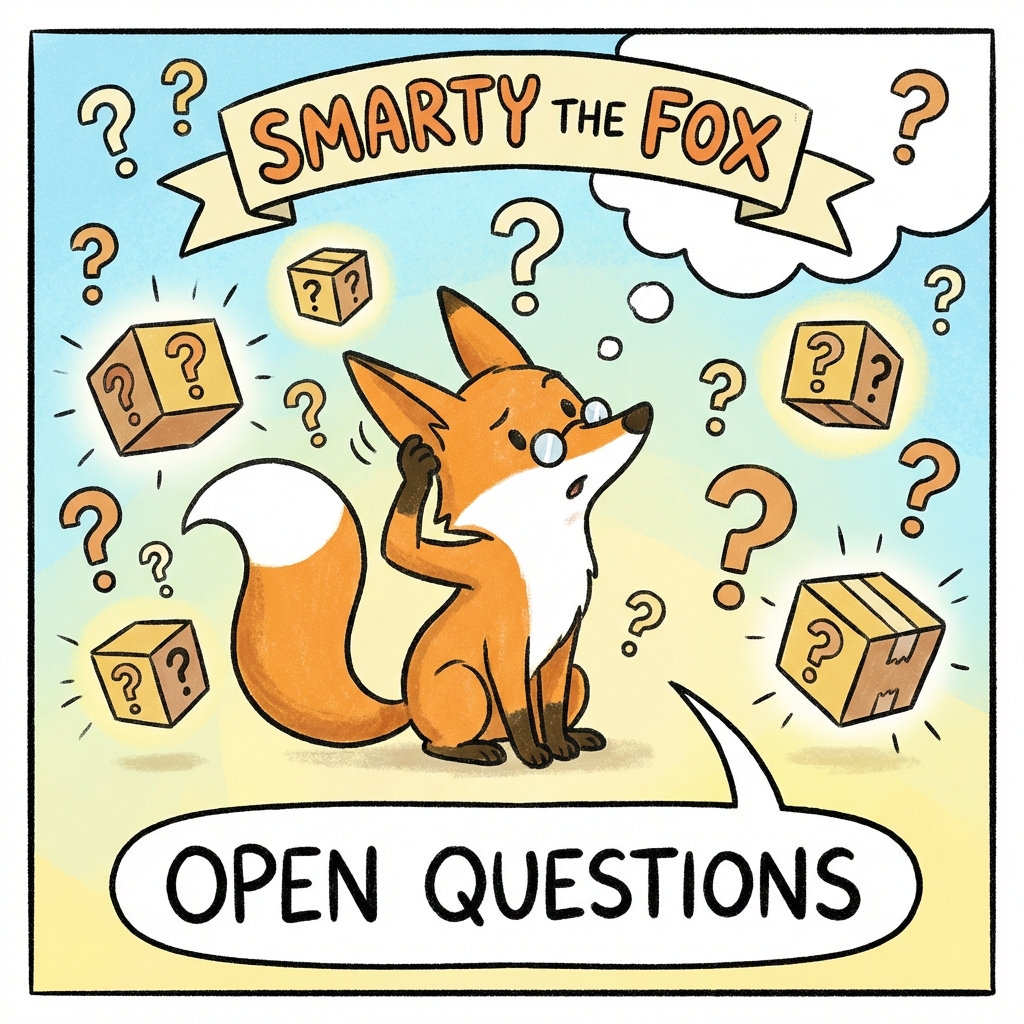
Open questions
- Primary authoring format: markdown, yaml, or json?
- Do we allow cycles/loops ("investigate more")?
- Do we track state as numeric risk, flags, inventory… or all three?
Refactoring reality one quanta at a time
Ishikawa (Fishbone) Discovery Phase
Vulnerability mapping phase: Add or remove root causes under each of the 6M categories to customize the diagram.