choose-your-own-adventure
security training
processor + renderer

SecurityAdventure
A small “what-if” engine for security stories: write scenarios as structured nodes, compile them, validate
them,
and run them as a playable adventure (web, CLI, or both).
Select a training module above to begin.
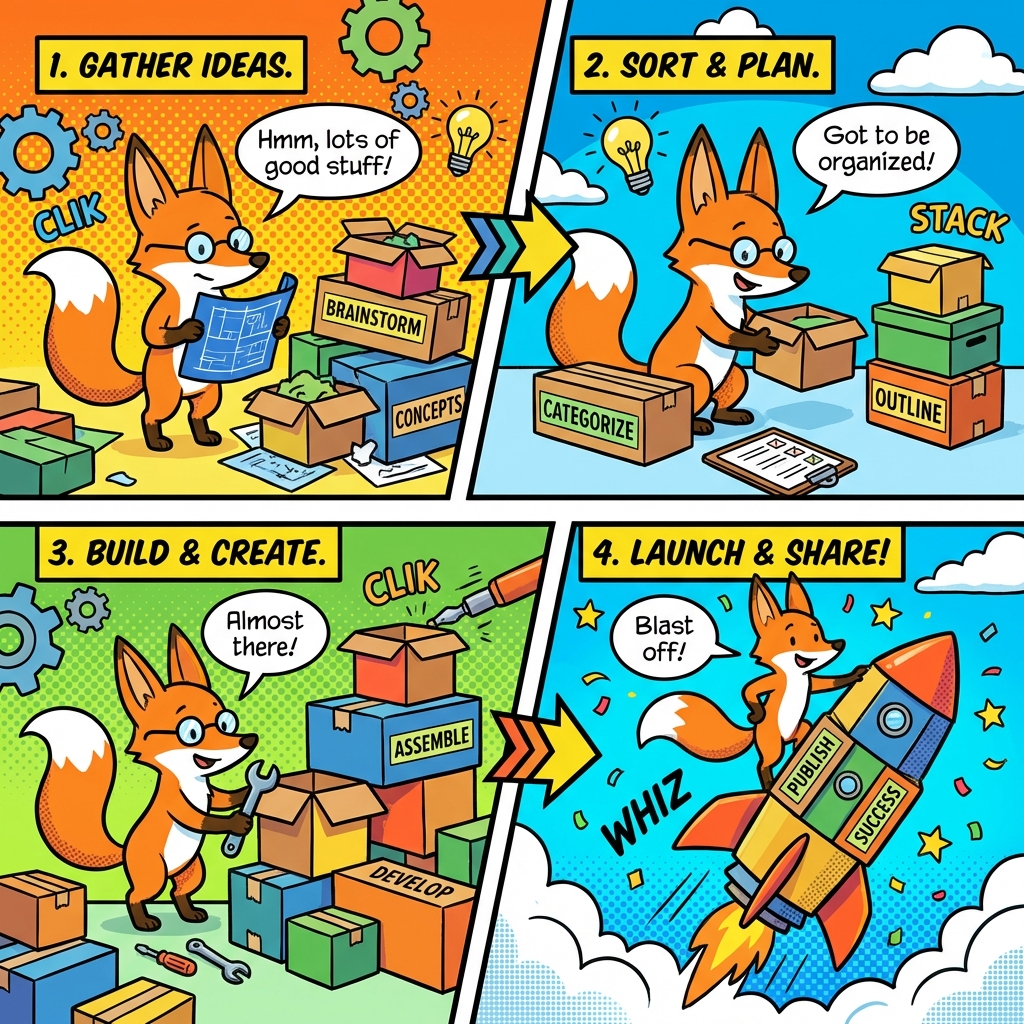
Step-by-step process (proposed)
-
Author scenarios
Write each decision point as a node with:
id,prompt,choices[], and optionaleffects(score, flags, inventory, time, detection risk). -
Compile to a normalized graph
Convert markdown / JSON / YAML into a single canonical graph model (nodes + edges + metadata).
-
Validate
Fail fast on broken content: missing node ids, dead links, unreachable endings, cycles (if disallowed), and invalid effects.
-
Instrument & balance
Compute helpful analytics: path lengths, expected risk, “dominant choice” detection, and story coverage.
-
Render a playable experience
Use the normalized graph to drive a UI: show prompt, show choices, apply effects, track state, and record a run log.
-
Export outcomes
Output the run transcript (JSON + human summary) for learning, audits, or classroom review.
Minimal node format
{
  "id": "start",
  "prompt": "You receive an email claiming to be from IT...",
  "choices": [
    {"label": "Click the link", "to": "phished", "effects": {"risk": "+=20"}},
    {"label": "Report to security", "to": "good_call", "effects": {"risk": "-=5", "badge": "reporter"}}
  ]
}
Pipeline sketch

Design goals (philosophy lab vibes)
- Citizens survive by default: the world is coherent and self-consistent.
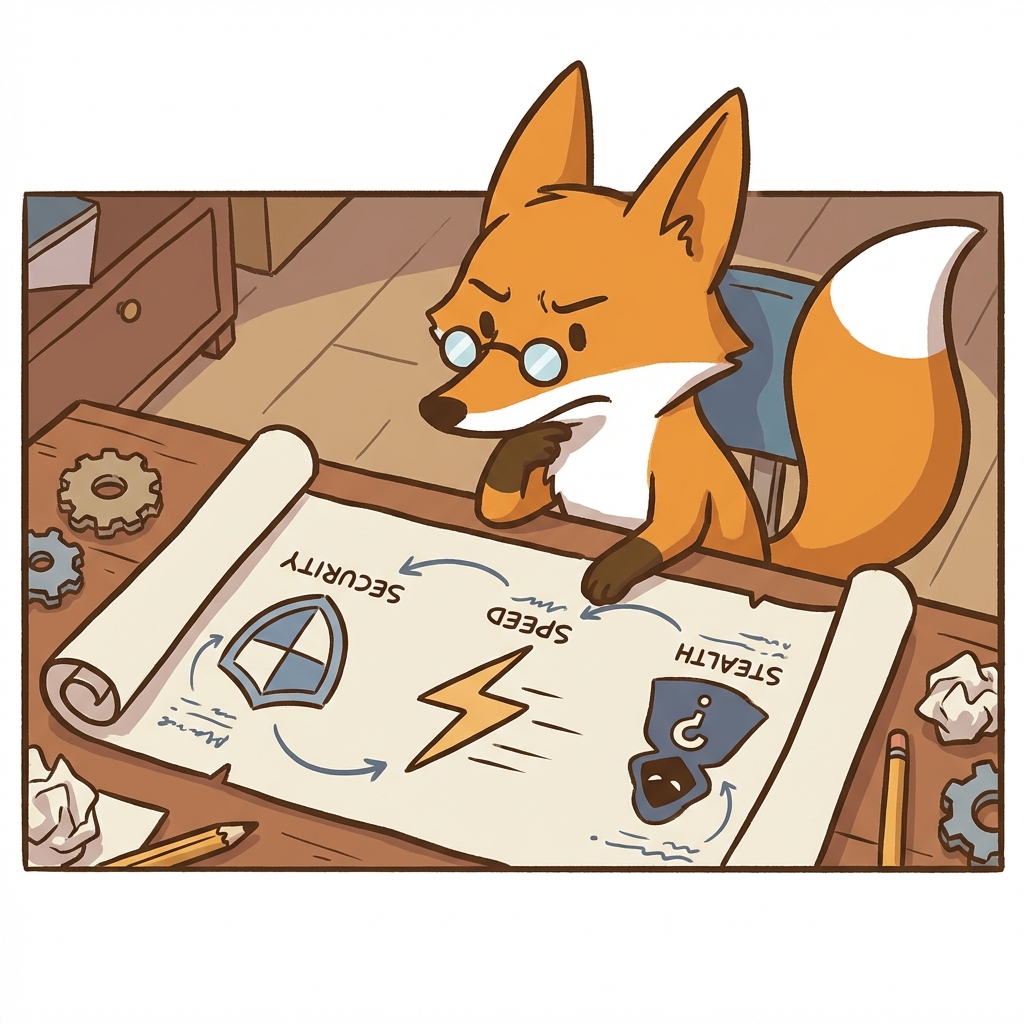
- Player interventions create tradeoffs (security vs speed, stealth vs certainty, etc.).
- Bad endings are teachable and explain why (not just “you lose”).